Storytelling and AI Tools: Transforming Creative Narratives in 2025
Table of Contents
Last Updated on August 15, 2025
Storytelling and AI tools are transforming how creators, brands, and marketers craft compelling narratives in 2025. This powerful combination of human creativity and artificial intelligence makes it possible to develop engaging scripts, design stunning visuals, and produce immersive experiences faster than ever before. From generating plot ideas to producing cinematic videos, storytelling and AI tools are helping creators reach wider audiences while keeping production costs low.
This guide explores how storytelling and AI tools are revolutionizing the creative process, the best platforms to use, and how to integrate them into your workflow while maintaining authenticity and originality.
Why Storytelling Still Matters in a Digital World
No matter how advanced technology becomes, stories remain at the heart of human connection. A good story:
- Captures attention in a noisy online world
- Builds emotional engagement
- Simplifies complex ideas
- Inspires action and loyalty
Whether you’re a marketer selling a product, a creator building a fanbase, or a brand nurturing trust, storytelling gives your message the power to stick.
But modern storytelling faces challenges:
- Shorter attention spans
- Content saturation
- Demand for visual and interactive media
This is where artificial intelligence in content creation steps in — not to replace human creativity, but to amplify it.
How Storytelling and AI Tools Are Changing the Creative Landscape
AI tools have evolved from simple text generators to sophisticated creative assistants capable of:
- Idea generation: Brainstorming plots, characters, and settings
- Scriptwriting: Drafting dialogue and narrative flow
- Multimedia production: Creating videos, animations, and audio
- Personalization: Tailoring stories to specific audiences
- Localization: Translating and adapting for global reach
AI’s ability to process massive datasets allows it to mimic storytelling patterns that resonate with audiences, enabling faster content creation without sacrificing quality.
Best Storytelling and AI Tools for Creators in 2025
Below are top-tier AI platforms that cater to different aspects of storytelling, from scriptwriting to full-scale video production.
1. ChatGPT-5 — One of the Leading Storytelling and AI Tools for Dialogue Writing
ChatGPT-5 has advanced narrative modeling, allowing writers to generate compelling story arcs, dialogue, and character development prompts. It can adapt tone, style, and pacing to fit your audience.
Best for: Scriptwriters, authors, marketers needing conversational copy.
Pro tip: Use role-based prompts (e.g., “Act as a Pixar screenwriter…”) to get industry-specific styles.
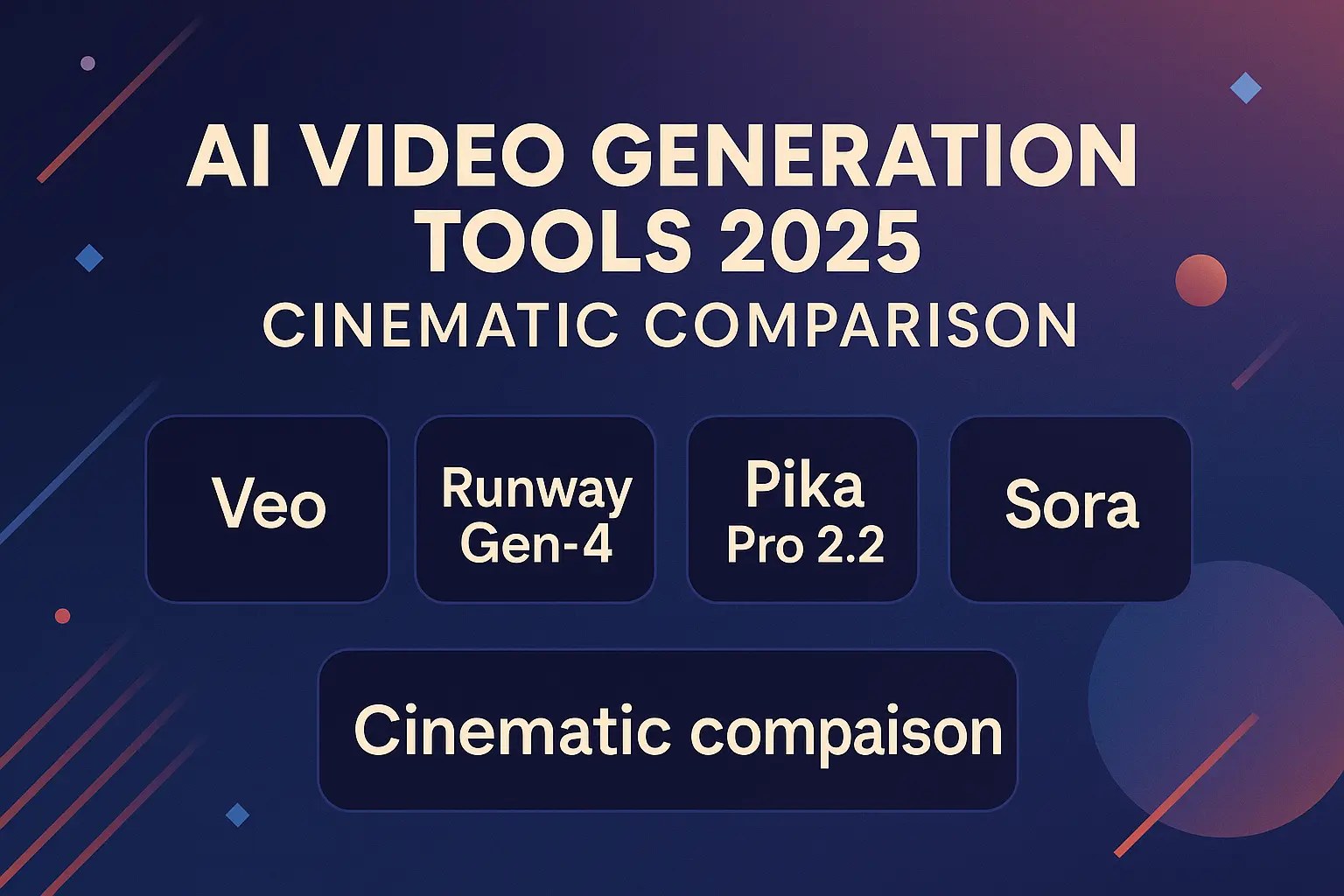
2. Sora — Cinematic AI Video Generation
OpenAI’s Sora creates realistic, high-definition videos from text prompts. Storytellers can produce entire short films, trailers, or animated scenes without a traditional film crew.
Best for: Brands creating ads, filmmakers testing storyboards, social media shorts.
Notable feature: Commercial rights support, so creators retain ownership.
3. Veo 3 — High-Resolution Visual Narratives
Veo 3 focuses on ultra-realistic, cinematic storytelling for short-form and long-form videos. Its JSON prompt support makes scene creation structured and repeatable.
Best for: YouTube creators, TikTok marketers, cinematic ads.
Pro tip: Combine with ChatGPT-5 for script, then feed it into Veo 3 for production.
Get the weekly AI digest
The best tool reviews, prompt collections and guides — straight to your inbox.
4. Midjourney v6 — Visual Storyboards & Concept Art
For visual storytelling, Midjourney can design detailed scenes, characters, and environments that bring written stories to life. It’s ideal for creating mood boards or character sheets before filming.
Best for: Graphic novels, animation teams, concept artists.
5. ElevenLabs — Voice Acting & Audio Narration
ElevenLabs offers realistic, emotive voice generation. Narration adds depth to storytelling, especially for audiobooks, podcasts, and animated content.
Best for: Content creators, audiobook publishers, video voiceovers.
Pro tip: Match voice style to audience — warm and casual for personal stories, clear and authoritative for business narratives.
6. Runway Gen-4 — Advanced Video Editing & Effects
Runway Gen-4 is one of the storytelling and AI tools that helps creators transform raw footage into polished, cinematic narratives without complex editing skills.
Best for: Social media storytelling, brand videos, indie films.
Step-by-Step: Building a Story with AI Tools
Here’s a practical workflow for creating a story with AI from start to finish.
Step 1 — Brainstorm the Core Idea
Use ChatGPT-5 to generate multiple story premises. Example prompt:
“Give me five unique story ideas about a time traveler who can only go backwards one day at a time.”
Step 2 — Develop the Script
Expand the chosen idea into a structured script. Break it into:
- Opening hook
- Conflict introduction
- Rising action
- Climax
- Resolution
Step 3 — Visualize the Story
Feed the script’s key scenes into Midjourney or Veo 3 for concept art or video drafts.
Step 4 — Add Sound and Narration
Generate voiceovers with ElevenLabs, then integrate background music from platforms like Soundraw or AIVA.
Step 5 — Edit and Publish
Use Runway or Descript to finalize edits, add captions, and prepare formats for YouTube, TikTok, or Instagram.
Balancing AI Efficiency with Human Creativity
While AI accelerates production, human storytellers bring:
- Cultural nuance
- Emotional depth
- Moral perspective
- Brand alignment
Relying solely on AI risks creating generic or emotionally flat stories. The most effective approach is a hybrid model — let AI handle repetitive or technical tasks while humans focus on vision and emotional resonance.
Future of Storytelling with AI
Looking ahead, AI storytelling will expand into:
- Interactive narratives with branching paths
- Personalized story streams for each viewer
- Real-time adaptive storytelling in AR/VR
- Synthetic media with live audience feedback loops
These advances mean creators will need to master both story craft and AI tool mastery to stand out.
Final Thoughts
AI tools are not replacing storytellers — they’re empowering them. By combining your creativity with AI’s speed and scale, you can produce compelling narratives that resonate, inspire, and convert in a crowded digital landscape.
The key is knowing which tools to use, how to integrate them, and where human creativity must lead.