Winning PPC in 2025: AI-Optimized Ad Campaigns & Cookieless Targeting
Hostinger Managed OpenClaw lets you launch a personal AI assistant that handles tasks around the clock. No coding needed — your own private AI agent, fully hosted.
Affiliate link — we earn a commission at no cost to you.
Table of Contents
Last Updated on August 15, 2025
The pay-per-click (PPC) landscape is shifting quickly. As third-party cookies fade out and AI-optimized ad campaigns become the norm, marketers in 2025 must reach the right people without the tracking shortcuts they once relied on. Done well, combining AI with cookieless targeting produces relevant, privacy-first ads that keep performance strong—even as rules and platforms evolve.
Why AI-Optimized Ad Campaigns Are the Future
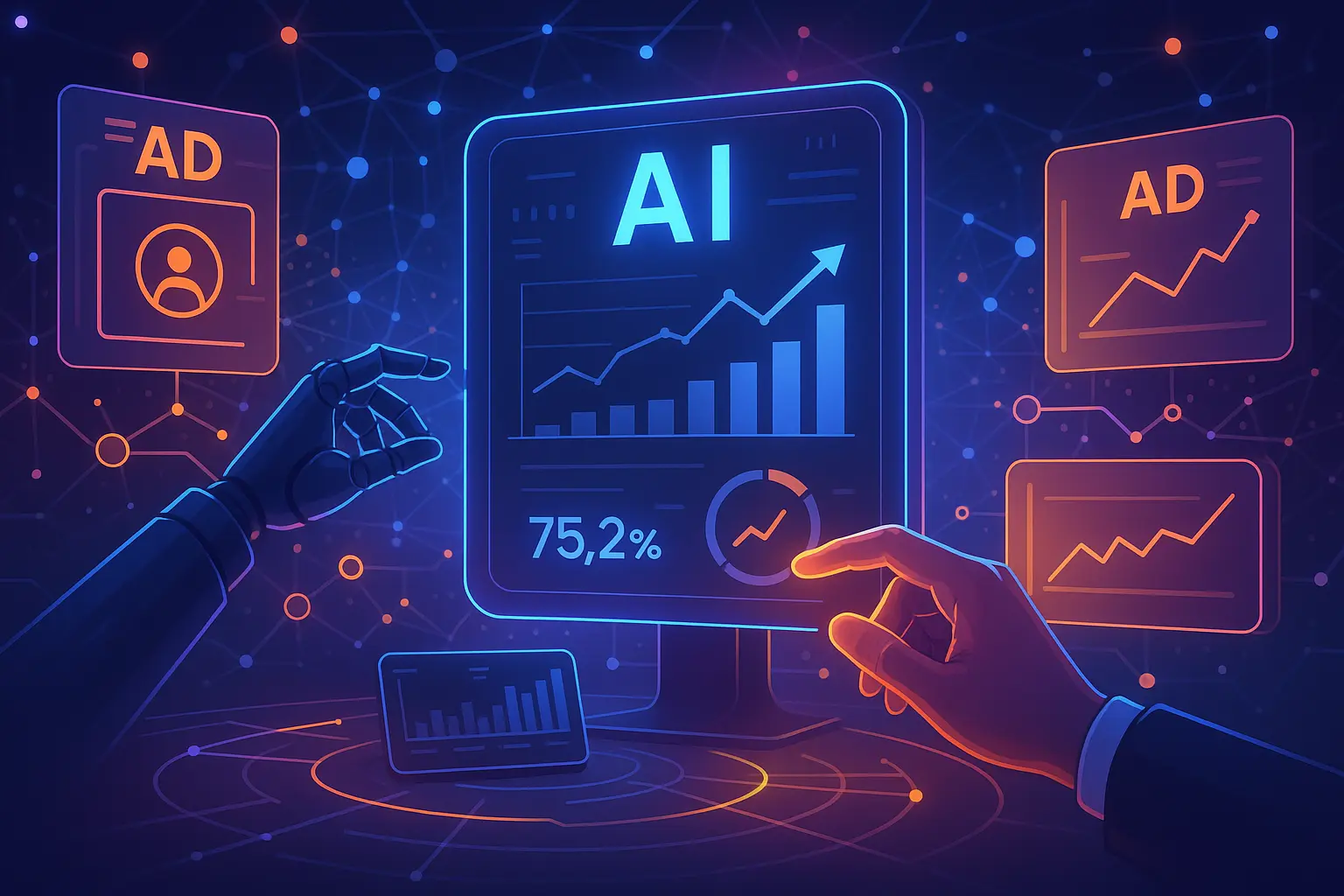
Modern advertising AI is no longer just a bid bot. It underpins strategy end-to-end: forecasting likelihood to click or convert, clustering audiences by intent signals, tailoring creative by segment, and reallocating budget to what’s working right now. Platforms such as Google Ads, Meta Ads, and Microsoft Advertising increasingly weave AI into targeting, bidding, and creative delivery—so human effort focuses on strategy, brand, and compliance.
Key advantages
- Accurate targeting without invasive tracking
- Budget efficiency as spend flows to high-performing assets
- Faster creative iteration across headlines, visuals, and calls-to-action
- Real-time adaptability to seasonality, competition, and demand shifts
What Is Cookieless Targeting?
Cookieless targeting delivers ads without third-party cookies. Instead, marketers rely on:
- First-party data gathered directly from sites and apps
- Contextual targeting that matches ads to on-page topics and semantics
- Interest-based cohorts that avoid tracking individuals
- Privacy-centric identity frameworks like Google Privacy Sandbox and The Trade Desk Unified ID 2.0
Cookieless targeting aligns with user expectations and regulation while preserving performance—especially when the campaign is driven by AI-optimized ad campaigns that can infer intent from smaller, higher-quality signals.
How AI Supercharges Cookieless Strategies
When cookie trails disappear, prediction matters more. Machine-learning models can:
Get the weekly AI digest
The best tool reviews, prompt collections and guides — straight to your inbox.
- Infer purchase intent from session behavior and content context
- Build lookalike groups using first-party patterns (queries, categories, recency)
- Automate contextual placements that fit message to page semantics and sentiment
- Orchestrate creative selection by audience, placement, and device in real time
Example: Rather than retargeting someone who once visited a shoe site, AI recognizes that a user reading a marathon training guide is likely in-market for running shoes—and serves a performance-oriented ad right then.
A Practical Playbook for 2025 PPC
- Collect and activate first-party data
Offer value exchanges (newsletters, loyalty, quizzes) to earn consented data. Keep consent logs clean and auditable. - Adopt AI-native campaign types
Test Google Performance Max, Meta Advantage+, and Microsoft Generative AI for Ads for cross-network optimization and creative lift. - Invest in contextual intelligence
Map creative to page topics and user intent strength. Align landing pages to the same context to improve quality scores and conversion rate. - Scale creative with guardrails
Use AI to generate and mix variations, but keep human review for brand voice, claims, and compliance. Set negative prompts / exclusions for brand safety. - Continuous experimentation
Run rolling multivariate tests and holdouts. Validate algorithmic lift with incrementality tests—not just platform-reported metrics.
Measurement Without Third-Party Cookies
To keep attribution reliable in a cookieless world:
- Implement server-side tagging to improve signal quality
- Send consented events via first-party conversion APIs
- Use marketing mix modeling (MMM) and incrementality testing for channel-level clarity
- Turn on consent mode so platforms can responsibly model conversions when signals are limited
Common Pitfalls (and Fixes)
- Data privacy doubts → Explain clearly what you collect and why; make opt-outs simple
- AI bias risks → Audit audiences and exclusions; test for disparate impact
- Platform dependency → Diversify channels and keep your own analytics layer to avoid black-box lock-in
FAQ: AI-Optimized PPC in a Cookieless Era
Will AI replace PPC managers?
No. AI handles scale, pattern detection, and routine optimization; humans steer strategy, creative, and compliance.
Is cookieless targeting less effective?
With strong first-party data, contextual intelligence, and AI-optimized ad campaigns, performance can match or surpass cookie-based approaches.
Where should small businesses start?
Begin with AI-native formats, wire in consented conversions, and use a handful of high-relevance contextual themes tied to core products.